 Sia Stevens
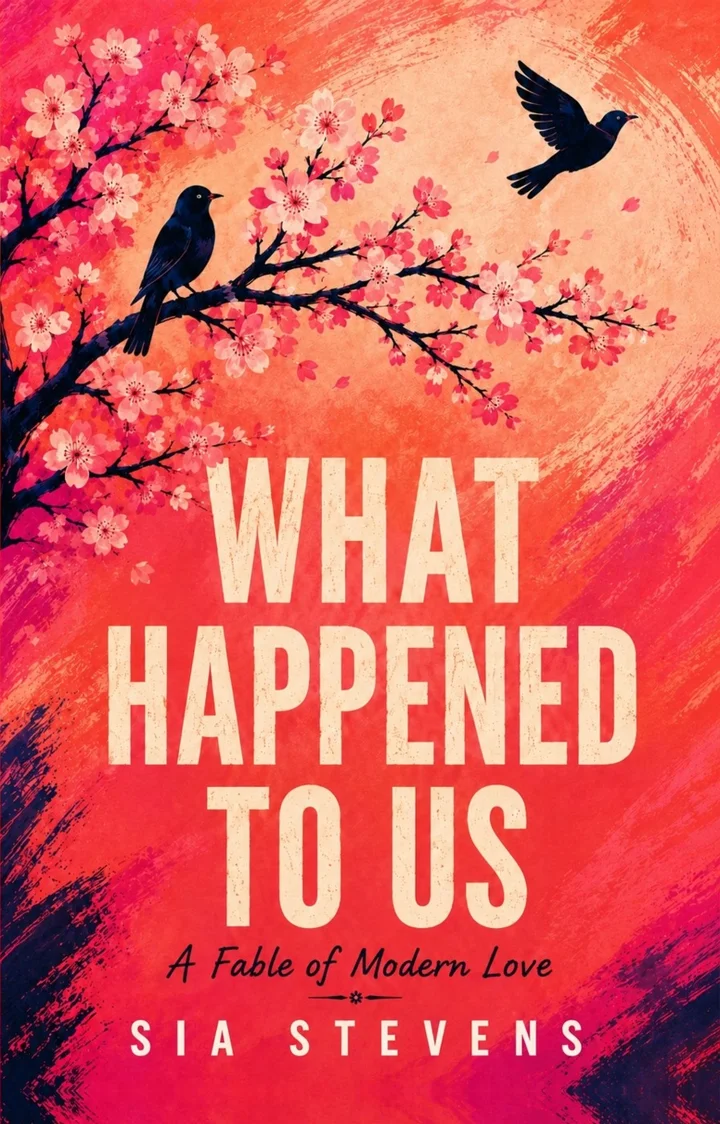
Somewhere in the past two decades, an entire generation agreed to accept a non-explanation as an explanation. “The spark just faded.” “We grew apart.” “Nothing happened.” We say these phrases at doorways and funerals of relationships as though they were weather reports, and nobody – not the therapists, not the podcasts, not the seventeen contradictory dating gurus on your For You page – seems willing to ask the obvious follow-up. Sia Stevens has written an entire book out of the follow-up. Her narrator's boyfriend leaves on a Tuesday with exactly that shrug of a sentence, plus a half-joking dare – if you ever figure it out, do tell me – and the great pleasure of this strange, sincere, unexpectedly rigorous debut is that she takes the dare completely literally.
Where a Sally Rooney novel would render the symptoms of modern disconnection in exquisite close-up, Stevens – whose narrator shares her name and, one suspects, a good deal else – goes after the pathology. Her heroine is an engineer, and she treats her heartbreak the way engineers treat outages: no blame, no mysticism, a proper post-mortem. She drafts an email to her ex that she refuses to send until she can honestly answer its subject line, and spends a year gathering the answer in instalments – a device so quietly effective that I found myself reading on chiefly to see the next draft. By the time the final version is sent, from a plane over the Himalayas, you realise the letter was never really addressed to him at all. Closure, the book observes, is something you give yourself.
What elevates the project above the self-help shelf it will inevitably be filed on is its diagnosis, which is social before it is romantic. The book's true villain is not the departed boyfriend – a decent, baffled man – but the machinery around the lovers: the apps that turned faces into inventory, the feeds that reward “the colour” of a person while stripping out “the fragrance”, the economy that monetised loneliness and called it connection. In the book's finest sustained argument, a Thanksgiving visit home, the narrator's proud urban independence is gently dismantled by a neighbour with a watering can: she hasn't freed herself from dependence at all, merely rerouted it – off friends and neighbours, onto a paycheque and an app. “The street needs me back,” he tells her. “Your paycheck doesn't need you at all.” It is as neat a summary of atomised late-capitalist life as I've read in a novel this year, and it arrives disguised as small talk about tomatoes.
The answer Stevens builds towards deserves to outlive the book. Everyone from the Stoics to the neuroscientists has told us that pleasure dulls with repetition; the standard conclusions are either grim (all love fades) or twee (spice things up). Stevens finds a third door. Habituation, she argues, is only a curse if you are a consumer of love; for a builder, it is the very pressure that forces growth – boredom not as a verdict but as a prompt. Whether or not you buy every plank of her three-stage framework, the reframe itself is genuinely new, and it does what the best popular ideas do: once you've seen it, you cannot stop applying it. To marriages, yes, but also to friendships, cities, careers.
She is also – and this matters more than it should – extremely quotable. The prose has the cadence of someone who has spent years thinking in aphorisms: a depleted PhD student hasn't become boring, he's become depleted, and “depletion doesn't flirt”; heartbreak is “the one addiction you're expected to detox in public. At your desk. Smiling.” The best character is not the narrator but her friend Rhea, fifteen years a “chill girl”, who finally audits her own accommodating heart and produces the book's devastating one-line balance sheet: “I wasn't forgiving them. I was funding them.” Entire dating memoirs have said less.
Quibbles, honestly held: this is a fable, and it behaves like one. Lessons are stated, then restated; the sages are never wrong; a Hollywood marriage is repaired with suspicious ease; and the finale leans on some men-are-wired-this-way evolutionary talk that Stevens hedges carefully but asserts confidently, and which book clubs will fight about long past their allotted hour. I'd argue her own central idea makes those passages unnecessary. But it says something that my chief complaint about this book is that it occasionally undersells its best argument by reaching for a weaker one.
And then there is the ending, which honours everything that came before it. Both of the narrator's men return – they always do, once the healing is done – and a lesser book would have handed her to one of them with a bow. Stevens instead closes on conditions: labours, in the Herculean sense, witnessed and priced, with the door left open precisely one inch. After 300 pages about what attention is worth, she declines to give hers away at a discount. It is the most disciplined final chapter I've encountered in this genre, and it converts the book's sermons, retroactively, into something closer to a spine.
Who is it for? Anyone who has stood in a doorway and not been given a reason; anyone maintaining themselves “like a machine that keeps needing repairs” without asking why the machine keeps breaking; every book club that has exhausted its patience with novels that diagnose the disease beautifully and prescribe nothing. Stevens has written the manual our grandmothers transmitted freely and our algorithms never will – preachy in places, purple in others, and more useful per page than anything the genre has produced in years. The spark, it turns out, doesn't just fade. Somebody stops tending it. This book is about becoming the somebody who doesn't.
What Happened to Us: A Fable of Modern Love by Sia Stevens is published by Vessel & Ink Press (339pp). Reviewed from the first edition.